Pain Diagnosis in the None Verbal Animal (Horse)

The other day, I came acrountitledss the below paper which is a very good summary of what we know about back pain in horses and the potential causes and symptoms (physical, emotional and behavioural). All too often behaviours which could be (or are) caused by pain are punished with very little thought given to potential physical causes and investigation. Even worse without the potential consideration of role of pain in behaviour, the horse doesn’t receive treatment and so continues to suffer. Ideally, as horse owners we should be educated in the basics of what to look out for and all back investigation  and treatment would be done in collaboration with veterinary professionals. This is definitely a paper to read, may be on a raining evening over a cup of hot cocoa as it is a reasonable length. It is always good to remind ourselves of best practice around welfare!

Link to the full paper below the abstract

Detecting and Measuring Back Disorders in Nonverbal Individuals: The Example of Domestic Horses

Clémence Lesimple 1, 2,*, Carole Fureix 1 , Lydiane Aubé 1 , & Martine Hausberger 2 1Ethologie Animale et Humaine, Université de Rennes 2CNRS, Ethologie Animale et Humaine UMR Université de Rennes *Corresponding author

(Email: lesimple.c@gmail.com) Citation – Lesimple, C., Fureix, C., Aubé, L., & Hausberger, M. (2016). Detecting and measuring back disorders in nonverbal individuals: The example of domestic horses. Animal Behavior and Cognition, 3(3), 159–179. doi: 10.12966/abc.05.08.2016

Abstract – Back disorders are amongst the major health-related disorders associated to working conditions in our society. Horses share with humans the exposure to potential physically harmful working conditions leading to back disorders. However, despite their high prevalence, these problems are often unacknowledged in the horse industry, mostly because their diagnosis remains difficult, particularly in field conditions. In the present review, we review the current scientific knowledge on back vertebral, muscular and musculoskeletal disorders. We will first present the existing knowledge about their prevalence and the tools available for diagnosis. Then, the different potential sources of back pain, including anatomical implications, the effect of emotionality and working conditions will be discussed. We finally present the existing behavioral, postural and physiological indicators of back pain that could help an early detection of back disorders.

Keywords – Horse, Equine, Work, Illness, Back disorder assessment, Indicators

Click to access 57d42cdd08ae601b39a8a5c9.pdf

A Thank You to Book Reviewers

bookI just found two really great reviews of my book on the American Amazon. They are quite old but I had somehow never seen them. A belated thank you to both reviewers, your comments are appreciated.
“5.0 out of 5 stars A Must Read For Every Horseman, Great Value, December 28, 2011
By
Bill Baehr “whipperin1” (Partsunknown, Wyoming, USA)
 Knowing Your Horse: A Guide to Equine Learning, Training and Behaviour (Paperback)
My second favorite horsemanship book of all time. I’ve read many horsemanship books and this one beats all the others except for “Equitation Science” which I consider to be the very best. This book contains more important training knowledge than reading all of the books, watching all the dvds and attending all the clinics by Parelli, Clinton Anderson, Buck Brannaman, Gordon Wright, George Morris, Denny Emerson, John Lyons, Stacy Westfall, Cherry Hill and all the rest of that ilk. No ego tripping, bragging or marketing of “horse whispering” products either, just practical horsemanship solidly based upon the science of learning. Do yourself and especially your horses a big favor and study this book.”
5.0 out of 5 stars Better than Equitation Science, August 7, 2012

By
This review is from: Knowing Your Horse: A Guide to Equine Learning, Training and Behaviour (Paperback)
Knowing your horse outlines the fundamentals of learning theory as applied to horse training. This book provides correct definitions of learning theory and examples to help the reader grasp the concepts. There are training plans included to help people apply learning theory, as well as case studies and research reviews. Whilst I am also a huge fan of Equitation Science, Knowing Your Horse is much clearer and easier to read.”

Paul McGreevy on the use of the Whip in Horse Racing

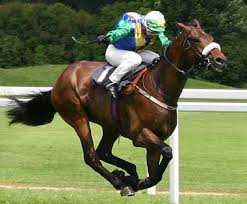
download (1)This is a video everyone should watch. The still well established use of whips in racing and all horse sports, as well as our equestrian leisure activities, is a damning indictment of our consideration of the horse’s welfare in our entertainment by them and relationship with them. If you can’t train a horse without striking it with a whip, then you can’t train a horse at all, only bully one. Violence is not necessary for performance and is detrimental to learning and cognition (google.co.uk/scholar can provide you which much scientific evidence should you wish to find it).

http://www.abc.net.au/tv/bigideas/stories/2012/05/21/3507350.htm

Questions and Answers with the Equitation Science Group

I was recently asked to do a question and answer session for the Facebook group Equitation Science (http://www.facebook.com/groups/equitationscience/). The questions asked were very interesting so I thought I would do an article including some of the Q and A session. I would like to note that there were many fantastic comments made by the other members of the group leading to some great discussion. These comments haven’t been included here for reasons of anonymity and credit, should you wish to read these discussions simply request membership to the group.

QUESTION 1 – Negative reinforcement and avoidance learning.

In horse training, negative reinforcement involves moving away from pressure or in essence avoidance learning. When a horse has a strong disposition towards a flight response or is inclined to quickly move away from threatening stimuli, what training methods are most effective and what research is there to support their efficacy?

Answer – Firstly in this situation I would ask – why is the horse exhibit such a large stress response to the presence of such stimuli? Is the disposition really a personality trait innate to the horse or is the sensitised stress response indicative of the horse manifesting a higher base level of stress or is the response learnt? If the stress level of the horse is higher than ideal even at rest (this could be tested by heart rate or salivary cortisol) the the horses environment needs to be adapted to lower the horse’s base stress level. If the horse’s stress level is higher than it should be this will likely present itself in greater stress reactions to stimuli; this is because the threshold for such a reaction is closer to baseline level of stress in the horse. Isolation of the environmental stress will require some work but, again, analysing whether the horse has access to forage, friends and freedom is a good place to start.

Secondly, if the response is learnt training the horse using positive reinforcement methods will help reduce the stress response. Targeting could be used to train the desired behaviour and put it on a cue, subsequently a secondary cue of a very gentle pressure cue, such the horse would not try to escape it, could then be added if required. Such a training strategy would eliminate the need for stressful aversive stimuli through the use negative reinforcement training but would allow a gentle pressure cue if needed. If the horse has become more generally fearful of an environment/object/situation, rather than just the stimuli used to implement negative reinforcement, counter conditioning stimuli associated with fear will be helpful. Desensitisation could also be used to reduce the stress experienced by the horse through not over facing the horse with them the stimuli they are fearful of.

Evidence for positive reinforcement methods:

http://www.ingentaconnect.com/content/ufaw/aw/2007/00000016/00000004/art00007

http://www.sciencedirect.com/science/article/pii/S0168159107002869

http://www.springerlink.com/content/4122111x7620v040/

http://www.sciencedirect.com/science/article/pii/S0003347209006034

One for targeting: http://www.ncbi.nlm.nih.gov/pmc/articles/PMC1284337/

http://onlinelibrary.wiley.com/doi/10.2746/042516406778400574/abstract

Additional comment – In this case we were examining a horse with a large stress response to negative reinforcement stimuli and thus would require training to eliminate this response to pressure (or the stimuli used for negative reinforcement). Although I believe we can use very gentle negative reinforcement without too much stress to the horse, you raise an interesting point because unfortunately positive punishment (the addition of an unpleasant stimulus to lower the likelihood of a behaviour reoccurring) has to of occurred in order that the stimulus can be removed for negative reinforcement. If the stimulus did not start it could not be removed. The two concepts, although distinct, are not mutually exclusive, they work in tandem (see http://www.theequineindependent.com/home/?p=103).

QUESTION 2 – Equine Learned Helplessness

The American psychologist Martin Seligman published most of the early work on learned helplessness. This is the technical term used to describe a condition in which a human/animal has learned to behave helplessly, failing to respond even when there is an opportunity for it to help itself by avoiding unpleasant circumstances or gain a positive reward. In people, learned helplessness is associated with depression and other mental health problems. I am just wondering what the possible epidemiology of equine learned helplessness might be, the “symptomatology” and possible health ramifications.

Answer – Learned Helplessness is a psychological phenomenon which occurs when an animal, be it horse or human, no longer tries to escape an aversive stimulus (or in some cases multiple aversive stimuli). Such behaviour usually manifests because the horse has repeatedly been exposed to an aversive stimulus, tried to escape it, and failed. Eventually the animal stops trying to escape and thus behaves in a helpless manner. Often the horse may only exhibit this behaviour to one or two stimuli, however, sometimes you can see this helplessness response generalise in the same manner as other behaviours may generalise. Therefore, the helplessness may not be stimulus or situation specific. In the horse world sometimes such horses are considered ‘shut down’.

Specifically in horses restraint, pressure and punishments have been considered a potential source of learned helplessness if incorrectly utilised. Examples of potential sources of learned helplessness include the incorrect use of riding gadgets such as draw reins, strong bits (even kinder bits in the wrong hands), spurs, whips … I am sure we can all think of more. Some specific training techniques e.g. leg tying and dare I say Rolkur, rely on learned helplessness, however, any technique that uses aversive stimuli can be at risk of inducing such a response if wrongly applied.

Symptomology:

*The most obvious symptom is a lack of escape behaviour in response to an unpleasant stimulus. The stimulus may be pressure, fear or pain based.
Other symptoms that have not been examined closely in horses but are documented in humans include:
*Sensitised and adapted stress response. If a prolonged period of exposure to an inescapable unpleasant stimulus it experienced, the results can present in the form of both the psychological and physiological symptoms of stress. These may continue if the horse if exposed to stimuli associated with the inescapable stressor, even if the stressor itself is no longer present.

*Psychologically the horse may experience anhedonia, lack of motivation, disrupted emotional processing, unusual stress responses (fight and flight) and inhibited learning/cognitive ability.

*Physiologically the horse may experience increase stress, a reduced immune response and an increased risk of the disorders associated with a high stress environment and life experience (e.g. stomach ulcers). It is possible that these symptoms could all occur in the horse although I stress little specific research has been done in this area, and given that most learned helplessness studies on animals were not entirely ethical this may not be a terrible thing.

There are theories of depression which concentrate on the role of learned helplessness, however these are widely debated, certainly there is a cross over in both symptomology and neurological activation if you are interested in reading about any of the above a quick google search will find you a lot of information.

Specifically with regards to horses I can recommend the paper – “Is There Evidence of Learned Helplessness in Horses?” Hall et al, 2008.

Neurology :

I don’t have time to write out all the neurological information so you will have to forgive me quoting.

“Evidence suggests an important role for 5-HT neurons in the dorsal raphe nucleus (DRN) in mediating learned helplessness (see Maier and Watkins 2005, for reviews). The DRN is a midline brainstem structure that contains a high concentration of 5-HT neurons that provide 5-HT to higher brain centers via multiple fiber tracts. …5-HT neurons in the DRN have long been associated with depression … anxiety …and behavioral responses to stress… The DRN projects to structures involved in fear, anxiety, and depression, such as the cortex, amygdala, periaqueductal grey (PAG), and locus coeruleus (LC)” Greenwood and Fleshner (2008). You can see that stress can affect the functioning of these pathway.

Rehabilitating the learned helplessness horse:

Here are a few idea for undoing the learned response, remember the brain is plastic even when the horse is old and thus often the horse can relearn/unlearn their response to stimuli.

*It’s cliché but time is a great healer, especially time in a stress free environment where they no longer experience the stressor which induces the learned helplessness response. Ideally the horse will be out as much as possible, be eating for 16hrs-ish a day and have a stable peer group to socialise with. The old adage of forage, friends and freedom can go a long way towards the rehab of any horse. The brains stress response will often (but not always) ‘reset’, if you like, in such an environment making further training much easier. Removing the stressor(s) is the first step!

*If the stressor is something which the horse has to come into contact with in their environment, a training strategy including counter conditioning and desensitisation combined will help the horse to relearn to be relaxed and even enjoy the presence of the previously stressful object/environment. Obviously you would only do this for objects and situations associated with the aversive events/helplessness and not the events themselves! For example, if the horse had become helpless when ridden you could work on encouraging the horse to enjoy being ridden by training without the use of large aversive stimuli but instead with positive reinforcement. I have found that reward inhibits stress in the horse. Indeed research shows that activation of the reward pathways of the brain actively dampens stress responses and therefore will help the horse to be without a heightened stress response and the psychological and physiological manifestations of increased stress.

Additional comment – Grass is included in the forage part of the phrase. The phrase is applicable to the horse as a management system as it describes the most prominent innate needs of the horse in order that they can be without stress. Therefore, as you say, it is necessary at all stages of the horse’s life. I was describing it as part of the rehabilitation for learned helplessness because I suspect that none here would drive a horse into learned helplessness but they may acquire such a horse or be called out to one. A slightly more complex version of the same paradigm might be an adapted version of Maslow’s heirarchy of needs. Regarding the relationship between submission and learned helplessness it would certainly be valid to suggest a behavioural parallel between the two psychological states (unfortunately, I don’t own the Equid Ethogram). Possibly it would be accurate to say that all learned helplessness could be described as submission but not all submission is learned helplessness, of course this depends on your definition of submission. The relationship between these two psychological concepts seems to be complex and their isn’t a huge amount of research available, however, this paper is worth a read (again I don’t agree with the methods used) http://www.ncbi.nlm.nih.gov/pubmed/17708544. Hope this answers your question.

QUESTION 3 – There seems to be a lot of confusion out there with regards to definitions of negative punishment (response cost, time out). Do you think horses actually understand negative punishment ? What research has been done in this area?

Answer – Negative punishment is possibly the trickiest of the four primary learning theory concepts to apply well to horse training. The removal of a desirable stimulus in consequence to an unwanted behaviour in order to punish said behaviour requires both timing and an understanding of frustration/defensive behaviours. Obviously, removing a highly desirable stimuli from the horse could trigger unwanted behaviours over and above the original unwanted behaviour, so care is needed. For example, removing food from a horse with food related issues may trigger defensive aggression, but this technique may not unduly stress another horse, therefore each horse and behaviour needs to be considered with regards to their individual personality. So yes horses can be trained with negative punishment, it’s the human understanding of punishment and the side effects which can occur when such methods are used which is key. Rewarding a incompatible behaviour in place of the unwanted behaviour may be an effective alternative technique, circumventing the need for punishment.

Research in this area is thin on the ground, probably because the ethics of such research would be hard to navigate, similarly to work on positive punishment.

Additional related question – So when I am clicker training my horse and withhold food whilst I am waiting for the correct response, is this negative punishment? As I have not actually taken anything away, rather I am withholding a positive reinforcer?

Answer – This is a tricky question, if positive reinforcement is being used the reward should never be given to the horse and then removed creating negative punishment. However, sometimes this is case when the trainer is not sure whether to reward or not, so the trainer needs to be definite with the timing. The trainer also needs to be aware that if the horse is too hungry or gets anxious regarding food negative reinforcement could also come into play as the food removes briefly the aversive stimuli of hunger(interestingly there are theories of drug addiction which focus on the role of negative reinforcement). These effects can be reasonably simply averted by observing the horse for signs of stress or learning disruption which might suggest their role and changing strategy to ensure the positive reinforcement acts exclusively.

Additional comments –

The training strategy should be defined before it occurs however, within the training observation and evaluation should be regularly considered to ensure that the trainer is training in the manner they intend and that the horse is happy and progressing in said training.

To clarify the negative punishment with food stimuli does not occur simply by the presence of food because you have not removed anything from the horse, the horse never had the food. It would only occur, as I said before, if the trainer was ambiguous in timing and gave the horse the food and then removed it due to a change of mind.

If you have a question about any of the answers or the terminology used, please feel free to leave a comment or email me and I will happily answer your questions.

Equine Science News 3

6a00d8341c251753ef010536f29008970c-200wiWelcome to my round up of some of the latest releases in equine science. These scientific equine papers have provided some interesting information sure to spark debate and inform our equine management and training practises; including a most important paper which provides evidence that horses ridden in hyperflexion may experience difficulty breathing because of airway obstruction.

Factors in Horse Training

Does learning performance in horses relate to fearfulness, baseline stress hormone, and social rank?

By Janne Winther, Line Christensen Peerstrup Ahrendt, Randi Lintrup, Charlotte Gaillard, Rupert Palme, Jens Malmkvist

“The ability of horses to learn and remember new tasks is fundamentally important for their use by humans. Fearfulness may, however, interfere with learning, because stimuli in the environment can overshadow signals from the rider or handler. In addition, prolonged high levels of stress hormones can affect neurons within the hippocampus; a brain region central to learning and memory. In a series of experiments, we aimed to investigate the link between performance in two learning tests, the baseline level of stress hormones, measured as faecal cortisol metabolites (FCM), fearfulness, and social rank. Twenty-five geldings (2 or 3 years old) pastured in one group were included in the study. The learning tests were performed by professional trainers and included a number of predefined stages during which the horses were gradually trained to perform exercises, using either negative (NR) or positive reinforcement (PR). Each of the learning tests lasted 3 days; 7min/horse/day. The NR test was repeated in a novel environment. Performance, measured as final stage in the training programme, and heart rate (HR) were recorded. Faeces were collected on four separate days where the horses had been undisturbed at pasture for 48h. Social rank was determined through observations of social interactions during feeding. The fear test was a novel object test during which behaviour and HR were recorded.

Performance in the NR and PR learning tests did not correlate. In the NR test, there was a significant, negative correlation between performance and HR in the novel environment (rS=−0.66, P<0.001, i.e. nervous horses had reduced performance), whereas there was no such correlation in the home environment (both NR and PR). Behavioural reactions in the fear test correlated significantly with performance in the NR test in the novel environment (e.g. object alertness and final stage: rS=−0.43, P=0.04), suggesting that performance under unfamiliar, stressful conditions may be predicted by behavioural responses in a fear test. There was a negative correlation between social rank and baseline stress hormones (rS=−0.43, P=0.04), i.e. high rank corresponded to low FCM concentrations, whereas neither rank nor FCM correlated with fearfulness or learning performance. We conclude that performance under stressful conditions is affected by activation of the sympathetic nervous system during training and related to behavioural responses in a standardised fear test. Learning performance in the home environment, however, appears unrelated to fearfulness, social rank and baseline FCM levels.”

http://www.journals.elsevierhealth.com/periodicals/applan/article/S0168-1591(12)00168-2/abstract

Equine Welfare

Effect of head and neck position on intrathoracic pressure and arterial blood gas values in Dutch Warmblood riding horses during moderate exercise.

By Sleutjens J, Smiet E, van Weeren R, van der Kolk J, Back W, Wijnberg ID.

“OBJECTIVE:To evaluate the effect of various head and neck positions on intrathoracic pressure and arterial oxygenation during exercise in horses.

ANIMALS:7 healthy Dutch Warmblood riding horses.

PROCEDURES:The horses were evaluated with the head and neck in the following predefined positions: position 1, free and unrestrained; position 2, neck raised with the bridge of the nose aligned vertically; position 4, neck lowered and extremely flexed with the nose pointing toward the pectoral muscles; position 5, neck raised and extended with the bridge of the nose in front of a vertical line perpendicular to the ground surface; and position 7, neck lowered and flexed with the nose pointing towards the carpus. The standard exercise protocol consisted of trotting for 10 minutes, cantering for 4 minutes, trotting again for 5 minutes, and walking for 5 minutes. An esophageal balloon catheter was used to indirectly measure intrathoracic pressure. Arterial blood samples were obtained for measurement of Pao(2), Paco(2), and arterial oxygen saturation.

RESULTS:Compared with when horses were in the unrestrained position, inspiratory intrathoracic pressure became more negative during the first trot (all positions), canter and second trot (position 4), and walk (positions 4 and 5). Compared with when horses were in position 1, intrathoracic pressure difference increased in positions 4, 2, 7, and 5; Pao(2) increased in position 5; and arterial oxygen saturation increased in positions 4 and 7.

CONCLUSIONS AND CLINICAL RELEVANCE:Position 4 was particularly influential on intrathoracic pressure during exercise in horses. The effects detected may have been caused by a dynamic upper airway obstruction and may be more profound in horses with upper airway disease.”

http://www.ncbi.nlm.nih.gov/pubmed/22452499

More information on the above paper can be found at http://www.thehorse.com/ViewArticle.aspx?ID=20201

On the significance of adult play: what does social play tell us about adult horse welfare?

By Martine Hausberger, Carole Fureix, Marie Bourjade, Sabine Wessel-Robert and Marie-Annick Richard-Yris

“Play remains a mystery and adult play even more so. More typical of young stages in healthy individuals, it occurs rarely at adult stages but then more often in captive/domestic animals, which can imply spatial, social and/or feeding deprivations or restrictions that are challenging to welfare, than in animals living in natural conditions. Here, we tested the hypothesis that adult play may reflect altered welfare states and chronic stress in horses, in which, as in several species, play rarely occurs at adult stages in natural conditions. We observed the behaviour (in particular, social play) of riding school horses during occasional outings in a paddock and measured several stress indicators when these horses were in their individual home boxes. Our results revealed that (1) the number of horses and rates of adult play appeared very high compared to field report data and (2) most stress indicators measured differed between ‘players’ and ‘non-players’, revealing that most ‘playful’ animals were suffering from more chronic stress than ‘non-playful’ horses. Frequency of play behaviour correlated with a score of chronic stress. This first discovery of a relationship between adult play and altered welfare opens new lines of research that certainly deserves comparative studies in a variety of species.”

http://www.springerlink.com/content/a773802p37590541/

Training the Ridden Horse

Horse walker use in dressage horses

By T.J. Walker, S.N. Collins and R.C. Murray

“Horse walkers have become popular in the modern exercise regime for dressage horses, however recent investigations of injury risk factors have indicated a significant association between horse walker use and lameness. A detailed telephone questionnaire was conducted to document horse walker usage and assess whether horse walker use could predispose dressage horses to lameness. Information on horse walker features and use, and individual horse lameness history was recorded. Chi-squared tests were performed to identify horse walker variables associated with lameness. Although analyses failed to establish a direct link between lameness and any specific horse walker feature, the high proportion of lame horses in this study suggests that there is an underlying and, as yet, unidentified cause of lameness related to horse walker usage.”

http://wageningenacademic.metapress.com/content/j3q3511435340324/

The effect of double bridles and jaw-clamping crank nosebands on temperature of eyes and facial skin of horses

By Paul McGreevy, Amanda Warren-Smith and Yann Guisard

“Any apparatus that restricts a horse’s movement can compromise welfare. Eye temperature as measured remotely using infrared thermography is emerging as a correlate of salivary cortisol concentrations in horses. This article explores the effect on the temperature of the eyes and facial skin of horses wearing devices that restrict jaw movements. In certain equestrian disciplines, unacceptable equine oral activity, such as gaping of the mouth, is penalized because it reflects poor training and lack of compliance. This explains the wide range of nosebands and flash straps designed to prevent the mouth opening. Some of these nosebands are banned from higher-level dressage competitions in which double bridles are mandatory, possibly because they are regarded as restrictive. Nevertheless, the current international rules overlook the possibility that noseband can appear innocuous even though some designs, such as the so-called crank noseband, can be ratcheted shut to clamp the jaws together. Some equestrian manuals and competition rule books propose that “two-fingers” be used as a spacer to guard against overtightening of nosebands but fail to specify where this gauge should be applied. The vagueness of this directive prompted us to undertake a small random survey of the finger dimensions of adult men (n = 10) and women (n = 10). There were significant sex differences in the measurements of fingers of adults (P < 0.001), thus illustrating that the “two-finger rule” is not a reliable guide for standardized noseband fastening. Infrared thermography was used to measure the temperature of facial skin and eyes of adult horses (n = 5) wearing a double bridle with and without a cavesson noseband.

A taper gauge was developed based on the mean circumference of adult index and middle fingers (9.89 ± 0.21 cm), and this was used as a spacer at the nasal planum or beside the mandible when tightening the noseband. The nosebands were fastened significantly tighter when the taper gauge was used beside the mandible than at the nasal planum (P = 0.02). Wearing double bridles and nosebands that had been tightened with and without the taper gauge caused an increase in eye temperature compared with baseline values (P = 0.012), and the tighter the noseband was fastened, the cooler the facial skin of the horse (and, presumably, the greater the impairment of vascular perfusion) when compared with baseline values (P = 0.016). This study suggests that horses wearing double bridles and tight nosebands undergo a physiological stress response and may have compromised vascular perfusion. Consequently, on welfare grounds, the use of nosebands that cause any constriction of jaw movement should be reviewed as soon as possible.”

http://www.journalvetbehavior.com/article/S1558-7878(11)00143-2/abstract

Pilot study of behavior responses in young riding horses using 2 methods of making transitions from trot to walk

By Agneta Egenvalla, Marie Eisersiöb and Lars Roepstorffc

“According to the principles of negative reinforcement, when an aid has been given to an animal, it should be released as soon as the desired response has been achieved, and, if performed well, may be associated with fewer conflict behaviors than otherwise. In riding, pressure in the horse’s mouth from the bit is used to give signals to the horse, and both rein tension and patterns of releasing this tension will vary. The aim of this pilot study was to study horse behavior during 2 different methodologies used to shape relatively naïve horses to a deceleration signal while making downward transitions from trot to walk. Method 1 involved relief from rein tension at the first attempt to perform a correct response (M1), and method 2 entailed that rein tension was relieved at the completed correct response (M2). Four horses were ridden by 4 riders over 4 days (1 rider each day), and each horse made 10 transitions each day for each method, which produced 320 transitions. Rein tension was recorded, and horse behavior and rider signal behaviors were evaluated from video recordings. Horse behavior was divided into the following 3 different categories: “pushing against the bit,” “moving away from the bit,” and “decelerating.” Linear models were constructed tracking the percent of the transition time that horses demonstrated at least 1 behavior in the “pushing against the bit,” “moving away from the bit,” and “decelerating” categories, and with random effects for rider, horse, and transition number nested within horse. Fixed effects analyzed were the methods, proportion of the transition time above 30 N for each rein, and the rider signal behaviors. M1 and M2 had on average 19% (standard deviation: 16) and 38% (standard deviation: 23) of the time with >30 N per rein, respectively. In the models for the “pushing against the bit” behaviors, M2 increased rein tension and “exerting pressure on the reins” increased the level of these behaviors. “Releasing pressure” interacted with “pulling back on the reins”; this combination was associated with an increased level of “pushing against the bit” behaviors. The “decelerating” behavior was associated with lower rein tension. In the “decelerating” behavior models, “pulling back on the reins” led to decreased “decelerating” behavior, whereas “still hand” and “releasing pressure” led to increased “decelerating” behavior; however, the interaction “pulling back on the reins” and “releasing pressure” led to decreased “decelerating” behavior. “Moving away from the bit” had no significant determinants. We concluded that fewer “pushing against the bit” behaviors were created by M1 and that a lower rein tension was associated with the “decelerating” behavior. Reinforcing the horse’s attempts, to assist in finding the correct response, benefits the welfare of the horse, and importance of a light hand should be continuously emphasized during riding education.”

http://www.sciencedirect.com/science/article/pii/S1558787811001481

Equipment and training risk factors associated with ridden behaviour problems in UK leisure horses

By Jo Hockenhull and Emma Creighton

“Ridden behaviour problems are prevalent in the UK leisure horse population and may have implications for horse welfare and rider safety. This study aimed to identify risk factors associated with ridden behaviour problems in UK leisure horses from the training approaches and equipment used with them. An Internet survey was used to collect data on 1326 horses from a convenience sample of leisure horse owners. The survey asked owners to report the frequency their horses displayed fifteen ridden behaviour problems over the previous week. Data on the frequency of occurrence of behaviour in four components of related ridden behaviour problems were explored for association with details of the horse’s working life, including the type of tack, equipment and training used, and the frequency the professional services of saddlers and farriers were employed using logistic regression analyses. Behaviour data were generated for 791 individual horses. Risk factors associated with the ridden behaviour problems emerged as three themes. One related to the design and fit of the saddle, with dressage and working hunter saddles associated with a reduced risk of ridden behaviour problems compared to general purpose saddles. The horse’s footcare and shoeing regime was associated with three of the four groups of behaviour problems. An extended interval (seven weeks or more) between farrier visits was associated with an increased risk of discomfort behaviour. Taking an outcome-centred approach to training, for example through the use of artificial training aids, was associated with an increased risk of behaviour problems while spending more time with the horse outside of training situations, a more horse-centred approach, was associated with a reduced risk of problems. Further research is required to understand the causal relationships behind these associations, with the aim of improving the welfare of the horse and the well-being and safety of its rider.”

http://www.journals.elsevierhealth.com/periodicals/applan/article/S0168-1591(12)00020-2/abstract

I hope you enjoy this collection of abstracts as much as I did. If you have a question about any of the abstracts or the terminology used, please feel free to leave a comment or email me and I will happily answer your questions.

Equine Science News 2


6a00d8341c251753ef010536f29008970c-200wiHere are a collection of briefs (abstracts) from the latest papers published in Equine science. The abstracts below include information which may inform your training, your husbandry or at least provide some interesting commentary on equine-kind and how we as humans interact with them in the domestic environment. Included are a collection of abstracts from the latest scientific papers published this year and so provide the most current insight into the horse and their behaviour. Whether you are a casual rider or a professional horse person this is information that you need to know. I hope you enjoy this collection of abstracts as much as I did. If you have a question about any of the below abstracts, or the terminology used, please feel free to leave a comment and I will happily answer your questions.

Behaviour

Concurrent Lactation and Pregnancy: Pregnant Domestic Horse Mares Do Not Increase Mother-Offspring Conflict during Intensive Lactation

Jitka Bartošová, Martina Komárkova, Jana Dubcová,Luděk Bartoš, Jan Pluháček

http://www.plosone.org/article/info%3Adoi%2F10.1371%2Fjournal.pone.0022068

Lactation is the most energy demanding part of parental care in mammals, so parent-offspring conflict arises over milk provided by the mother. In some species females commonly become pregnant shortly after parturition of previous young. This further intensifies mother-offspring conflict due to concurrent pregnancy and lactation. In equids it has been well established that pregnant females wean their foals earlier than non-pregnant ones. Intensified mother-offspring conflict was presumed to associate with pregnancy also during the period of intensive lactation, i.e., before the weaning process starts. We investigated the effect of pregnancy on suckling behaviour characteristics as indicators of mother-offspring conflict in domestic horses. Contrary to expectation, here we provide evidence of a decreased mother-offspring conflict related to pregnancy in lactating females during first two trimesters of pregnancy. Pregnant mares provided longer suckling bouts and did not reject or terminate suckling of their foals more often than non-pregnant mares. Our results suggest that pregnant mares cope with parallel investment into a nursed foal and a foetus through enhancing nursing behaviour in early stages of pregnancy before the initially low requirements of the foetus increase. They compensate their suckling foal with the perspective of its early weaning due to ongoing pregnancy.

Effects of Repeated Regrouping on Horse Behaviour and Injuries

Janne Winther Christensen, Eva Søndergaard, Karen Thodberg, Ulrich Halekoh

Applied Animal Behaviour Science

Volume 133, Issues 3-4, Pages 199-206, September 2011

Domestic horses are faced with social challenges throughout their lives due to limitations in social contact, space restrictions and frequent changes in social companionship. This is in contrast to natural conditions where horses live in relatively stable harem bands. Currently, little is known about how repeated regrouping affect horse behaviour and welfare, and it is unknown whether horses may adapt to regrouping. In this study, we aimed to investigate the effects of an unstable group structure, caused by weekly regroupings, on behaviour and frequency of injuries in young horses. Forty-five horses were included in the study and were randomly assigned to the treatments; Stable (S; seven groups of three horses) or Unstable (U; eight groups of three horses). The experimental period lasted 7 weeks, during which horses in Stable groups remained in the same group, whereas one horse was exchanged between Unstable groups every week. The groups were kept in 80 m × 80 m grass-covered enclosures and were fed additional roughage on the ground daily. Social interactions were recorded in Unstable groups immediately after each regrouping (30 min), and in both Stable and Unstable groups on day 1, 3 and 6 after each regrouping (2 × 20 min/group/day). Injuries were scored by the end of the experimental period. The level of aggression shown by horses in Unstable groups immediately after regrouping was not affected by week (F5,35 = 0.42, P = 0.83), indicating that horses neither habituated, nor sensitized, to repeated regrouping. Compared to horses in Stable groups, more agonistic behaviour was shown by horses in Unstable groups (i.e. non-contact agonistic; F1,65 = 5.60, P = 0.02), whereas there was no treatment effect on other variables. The level of play behaviour appeared, however, to be more variable in Unstable groups. There was a significant effect of week on the level of contact agonistic interactions as well as greeting behaviour, due to a high occurrence in weeks 4–6. Non-contact agonistic interactions constituted the major part of agonistic interactions (66%). Possibly as consequence, no serious injuries were registered and there was no treatment effect (U = 184; P = 0.11). We conclude that the behaviour of young horses is affected by group management, and that horses appear not to adapt to weekly regroupings.

Competition Horses Housed in Single Stalls (II): Effects of Free Exercise on the Behavior in the Stable, the Behavior during Training, and the Degree of Stress

Hanna Werhahn MS, Engel F. Hessel Prof Dr, Herman F.A. Van den Weghe Prof Dr Ir

Journal of Equine Veterinary Science

July 2011

Although housing horses in single stalls limits their natural behavior to a great extent, this housing system is widespread in Germany, especially for competition horses. To improve the welfare of this system, free exercise on pastures or paddocks is deemed suitable, but it is also feared because of injuries and decreased willingness or motivation to perform. In the present study, three treatments were investigated with regard to their effect on the behavior of six competition horses in the stable, behavior during training, and on their degree of stress: daily training without free exercise (no turnout [NT]), solitary turnout for 2 hours after training, and 2-hour turnout in groups of two after training (group turnout). The horses’ behavior in the stable was continuously analyzed through video recordings (2 pm to 6 am) on 3 days at the end of each treatment. The degree of stress was evaluated daily by heart rate variability at rest. The behavior during training was evaluated by a questionnaire answered by the riders, and the distance covered during training was measured by global positioning system. When NT was allowed, the horses showed less lying in the stable compared with the treatments with turnout. Heart rate variability measurements resulted in great individual differences, but generally, there was a higher degree of stress shown with the treatment NT according to the following parameters: standard deviation of inter-beat-intervals (SDNN), square root of the mean of the sum of the squares of differences between successive inter-beat-intervals (RMSSD), and ratio between low frequency and high frequency (LF/HF). The willingness to perform was evaluated as being slightly better in the treatments with turnout than in the treatment without turnout.

Motivation for Social Contact in Horses Measured by Operant Conditioning

Eva Søndergaard, Margit Bak Jensen, Christine J. Nicol

Applied Animal Behaviour Science

Volume 132, Issues 3-4, Pages 131-137, July 2011

Although horses are social animals they are often housed individually with limited social contact to other horses and this may compromise their welfare. The present study included eight young female horses and investigated the strength of motivation for access to full social contact, head contact and muzzle contact, respectively, to a familiar companion horse. Horses were housed individually next to their companion horse and separations between pens prevented physical contact. During daily test sessions horses were brought to a test area where they could access an arena allowing social contact. Arena access during 3 min was given after completion of a predetermined number of responses on a panel. Fixed ratios (FR) of 8, 16, 24, 32 and 40 responses per arena access were applied in a random order, one per daily test session, within each test week (Monday to Friday), and the number of rewards per daily test session was recorded. All horses could access all three types of social contact in a cross-over design, and an empty arena was used as control. Motivational strength was assessed using elasticity of demand functions, which were estimated based on the number of rewards earned and FR. Elasticities of demand for the three types of social contact were low (−0.20), and not significantly different, although increasing FR still resulted in a decrease in rewards obtained for all three types of social contact (P < 0.001). Across FR-levels horses earned more rewards for social contact than for an empty arena, as shown by much higher intercept values (2.51 vs. 0.99; P < 0.001). However, the elasticity of demand for infrequent access to an empty arena (−0.08) was lower than for social contact (P < 0.01) and not significantly different from zero (P = 0.07). Horses performed more social behaviour the lesser the restriction on social contact (full > head > muzzle). However, the finding that horses showed a similar and high motivation for all three types of social contact suggests that they are valued equally highly in a situation where the alternative is no social contact.

Preference and Demand for Exercise in Stabled Horses

Joyce Lee, Toby Floyd, Hollis Erb, Katherine Houpt

Applied Animal Behaviour Science

Volume 130, Issues 3-4, Pages 91-100, March 2011

Operant conditioning and two choice preference tests were used to assess the motivation of horses to be released from straight and from box stalls. The motivations for food, a companion, and release into a paddock were compared when the horses had to work for each commodity at increasing fixed ratios of responses (panel presses) to reward in an equine operant conditioning stall. The motivation for food (mean ± SEM = 258 ± 143) responses was much greater than that for either release (38 ± 32) from a straight stall into a large paddock alone or into a small paddock with another horse (95 ± 41) (P = 0.04). When given a two choice preference test between exercise on a treadmill for 20 min or returning to their box stalls, eight of nine horses chose to return to their stalls. In a two choice preference test six of eight horses in box stalls chose to be released into a paddock alone. Horses were given a series of two choice preference tests to determine how long they preferred to be in a paddock. After 15 min in the paddock the horses were re-tested, but all chose the paddock when released into a paddock with three other horses. They were retested every 15 min until they chose to return to their stalls. They chose to stay out for 35 ± 6 min when other horses were in the paddock but for only 17 ± 2 min when they would be alone. When deprived of stall release for 48 h the horses chose to remain in the paddock with other horses for 54 ± 6 min, but showed no compensatory behavior when they were alone (duration chosen = 16 ± 4 min). These findings indicate that horses are not strongly motivated to exercise alone and will choose not to endure forced exercise on a treadmill. The social context of voluntary exercise is important; horses are willing to stay out of their stalls longer if other horses are present and will show compensatory behavior only if other horses are present. These finding have implications for optimizing turnout time for stalled horses.

Training

Does Attention make the Difference? Horses’ Response to Human Stimulus After 2 Different Training Strategies

Paolo Baraglia, Chiara Maritia, Leonardo Petria, Francesco De Giorgiob, Claudio Sighieria

Journal of Veterinary Behavior: Clinical Applications and Research

Volume 6, Issue 1, Pages 31-38, January 2011

We hypothesized that in an open environment, horses cope with a series of challenges in their interactions with human beings. If the horse is not physically constrained and is free to move in a small enclosure, it has additional options regarding its behavioral response to the trainer. The aim of our study was to evaluate the influence of 2 different training strategies on the horse’s behavioral response to human stimuli. In all, 12 female ponies were randomly divided into the following 2 groups: group A, wherein horses were trained in a small enclosure (where indicators of the level of attention and behavioral response were used to modulate the training pace and the horse’s control over its response to the stimuli provided by the trainer) and group B, wherein horses were trained in a closed environment (in which the trainer’s actions left no room for any behavioral response except for the one that was requested). Horses’ behavior toward the human subject and their heart rate during 2 standardized behavioral tests were used to compare the responses of the 2 groups. Results indicated that the horses in group A appeared to associate human actions with a positive experience, as highlighted by the greater degree of explorative behavior toward human beings shown by these horses during the tests. The experience of the horses during training may have resulted in different evaluations of the person, as a consequence of the human’s actions during training; therefore, it seems that horses evaluate human beings on daily relationship experiences.

Trailer-Loading of Horses: Is there a Difference Between Positive and Negative Reinforcement Concerning Effectiveness and Stress-Related Signs?

Payana Hendriksen, Katrine Elmgreen, Jan Ladewig

Journal of Veterinary Behavior: Clinical Applications and Research

Volume 6, Issue 5, Pages 261-266, September 2011

The traditional way to train horses is by the application of negative reinforcement (NR). In the past few years, however, the use of positive reinforcement (PR) has become more common. To evaluate the effectiveness and the possible stressor effect of the 2 training methods, 12 horses showing severe trailer-loading problems were selected and exposed to trailer-loading. They were randomly assigned to one of the 2 methods. NR consisted of various degrees of pressure (lead rope pulling, whip tapping). Pressure was removed as soon as the horse complied. PR horses were exposed to clicker training and taught to follow a target into the trailer. Heart rate (HR) was recorded every 5 seconds and behavior denoting discomfort was observed using one-zero sampling with 10 seconds sampling intervals. Training was completed when the horse could enter the trailer upon a signal, or was terminated after a maximum of 15 sessions. Of the 12 horses, 10 reached the criterion within the 15 sessions. One horse was eliminated from the study because of illness and 1 PR horse failed to enter the trailer. A Mann–Whitney U-test indicated that the horses trained with NR displayed significantly more discomfort behavior per training session than horses trained with PR (NR: 13.26 ± 3.25; PR: 3.17 ± 8.93, P < 0.0001) and that horses in the PR group spent less time (second) per session to complete the training criterion (NR: 672.9 ± 247.12; PR: 539.81 ± 166.37, P < 0.01). A Mann–Whitney U-test showed that no difference existed in mean HR (bpm) between the 2 groups (NR: 53.06 ± 11.73 bpm; PR: 55.54 ± 6.7 bpm, P > 0.05), but a Wilcoxon test showed a difference in the PR group between the baseline of HR and mean HR obtained during training sessions (baseline PR: 43 ± 8.83 bpm; PR: 55.54 ± 6.7 bpm, P < 0.05). In conclusion, the PR group provided the fastest training solution and expressed less stress response. Thus, the PR procedure could provide a preferable training solution when training horses in potentially stressing situations.

Using Differential Reinforcement to Improve Equine Welfare: Shaping Appropriate Truck Loading and Feet Handling

Charlotte Slater, Simon Dymond

Behavioural Processes

Volume 86, Issue 3, Pages 329-339, March 2011

Inappropriate behavior during common handling procedures with horses is often subject to aversive treatment. The present study replicated and extended previous findings using differential reinforcement to shape appropriate equine handling behavior. In Study 1, a multiple baseline across subjects design was used with four horses to determine first the effects of shaping target-touch responses and then successive approximations of full truck loading under continuous and intermittent schedules of reinforcement. Full loading responses were shaped and maintained in all four horses and occurrences of inappropriate behaviors reduced to zero. Generalization of the loading response was also observed to both a novel trainer and trailer. In Study 2, a changing criterion design was used to increase the duration of feet handling with one horse. The horse’s responding reached the terminal duration criterion of 1 min and showed consistent generalization and one-week maintenance. Overall, the results of both studies support the use of applied equine training systems based on positive reinforcement for increasing appropriate behavior during common handling procedures.

Fostering Adherence to Horse Behaviour Counselling

Ruth Jobling, Emma Creighton

Journal of Veterinary Behavior: Clinical Applications and Research

Volume 6, Issue 5, Pages 276-286, September-October 2011

Counseling services that aim to improve understanding of horse–human interactions are on the frontline of the horse welfare agenda. The aim of this research was to determine characteristics of horse owners seeking advice about their horse’s behavior that predicted their adherence to that advice. The established science of human behavioral change has largely been applied in the field of health psychology to identify predictors of behavior. A thorough review of human behavioral change literature identified 10 cognitive variables (e.g., attitude toward horse behavior counselors) that had the potential to predict adherence to the advice of a horse behavior counselor. Established self-report questionnaire methodology was adopted to survey an opportunistic sample of 52 clients of horse behavior counselors before they received the advice (initial cognitive profile), 10 days after (post-communication changes), and at 3-month follow-up (long-term changes). Data were preliminarily analyzed using correlation analyses and subsequently, multiple regression analyses were used to generate a model for adherence. Horse behavior counselors cannot influence what clients perceive when they come into the process, but are able to influence cognitive variables during the communication. The amount of post-communication change in value of the outcome of adhering to the advice (β = 0.338, P = 0.033) and attribution of the horse’s behavior problem to external factors (e.g., facilities, time; β = 0.309, P = 0.050) were significant elements of a multiple regression analysis that explained 23.6% of the variance in adherence 10 days after the communication (F2,35 = 6.700, P = 0.003). At 3-month follow-up, there were no associations between adherence and the earlier cognitive profiles, but clients who showed a 3-month increase in positive attitude toward horse behavior counselors were more likely to show long-term adherence (r = 0.389, P = 0.019). Horse behavior counselors may benefit clients by demonstrating the effects of their advice early in the communication, so that clients value their efforts to adhere to the advice and continue to do so. Horse behavior counselors may also foster adherence to their advice by emphasizing external causes of the horse’s behavior problem, which clients may find more controllable than internal causes such as their level of skill or fear. Developing the client’s perception of a controllable cause of their horse’s behavioral problem may build confidence in their ability to address the problem and encourage adherence.

Thanks for reading.
Equine Science News 1 and Other Useful Resources

6a00d8341c251753ef010536f29008970c-200wiAbstracts

Attributing attention: the use of human-given cues by domestic horses (Equus caballus)

Leanne Proops and Karen McComb

Recent research has shown that domestic dogs are particularly good at determining the focus of human attention, often outperforming chimpanzees and hand-reared wolves. It has been suggested that the close evolutionary relationship between humans and dogs has led to the development of this ability; however, very few other domestic species have been studied. We tested the ability of 36 domestic horses to discriminate between an attentive and inattentive person in determining whom to approach for food. The cues provided were body orientation, head orientation or whether the experimenters’ eyes were open or closed. A fourth, mixed condition was included where the attentive person stood with their body facing away from the subjects but their head turned towards the subject while the inattentive person stood with their body facing the subject but their head turned away. Horses chose the attentive person significantly more often using the body cue, head cue, and eye cue but not the mixed cue. This result suggests that domestic horses are highly sensitive to human attentional cues, including gaze. The possible role of evolutionary and environmental factors in the development of this ability is discussed.

Link – http://www.springerlink.com/content/v277039731080470/

Post-conflict friendly reunion in a permanent group of horses (Equus caballus)

Alessandro Cozzi, Claudio Sighieri, Angelo Gazzano, Christine J. Nicol and Paolo Baragli

Gregarious animals living in permanent social groups experience intra-group competition. Conflicts over resources can escalate into costly aggression and, in some conditions, non-dispersive forms of conflict resolution may be favoured. Post-conflict friendly reunions, hence reconciliation, have been described in a variety of species. The aim of this study was to explore, for the first time, the occurrence of reconciliation in a group of domestic horses (Equus caballus) and learn more about strategies used to maintain group cohesion. The behaviour of seven horses living as permanent group in an enclosure for at least 2 years was observed by video for 108h from June to August 2007. We used a Post-Conflict/Matched Control method to assess the existence of reconciliation and third-party affiliation. Behaviours recorded Post-Conflict, or during Matched Control periods, were classified as affiliative based on previous descriptions of visual communication patterns in horses. The proportion of attracted pairs over total post-conflict situations was significantly greater than the proportion of dispersed pairs, both during dyadic interactions (p<0.001) and during triadic interactions (p=0.002). The results of the present study show that both dyadic reconciliation and third-party post-conflict affiliative interactions form important social mechanisms for managing post-conflict situations in horses.

Link – http://www.sciencedirect.com/science?_ob=ArticleURL&_udi=B6T2J-50M1RT9-1&_user=10&_coverDate=10%2F31%2F2010&_rdoc=1&_fmt=high&_orig=search&_origin=search&_sort=d&_docanchor=&view=c&_searchStrId=1459832741&_rerunOrigin=scholar.google&_acct=C000050221&_version=1&_urlVersion=0&_userid=10&md5=2e607ef1b0e15c2771e7ecc1d183f723&searchtype=a

Websites

The Horse (http://www.thehorse.com/)

The Horse website is free to join and has many articles on both equine health and horse behaviour written by professional in equestrian industry.

This is a particularly interesting article on ‘licking and chewing’ behaviour in horses which explores a possible biological explanation for this little understood behaviour. – http://www.thehorse.com/ViewArticle.aspx?ID=6346

Useful and Informative Forums

Equi-click (http://equi-click.proboards.com/index.cgi)

Whether you are a positive reinforcement pro or are thinking of trying clicker training for the first time, equi-click is a friendly community of well informed and supportive individuals. There are members from many backgrounds who contribute a wide range of scientific knowledge and practical know how. The forum requires you to register before you can view the content but it is well worth joining.

Thinking Horsemanship Forum (http://www.network54.com/Forum/235380/)

‘The Thinking Horsemanship Forum is for anyone (beginner, professional or somewhere in-between) who would like to understand more about the behaviour of horses (and other animals) and how they learn. We prefer to study the published science into learning and behaviour and its practical application to training than to follow any commercial methodology. In particular we aim to use positive reinforcement (sometimes although not always via clicker training) and increased motivation in order to train our horses, rather than the traditional methods of increasing pressure.

We welcome discussion on all topics within the areas of learning and behaviour and encourage lively debate over the various methods of equine training. But it should be made clear that no personal attacks or criticism will be tolerated and such posts will be edited or removed. We would also like to make it clear that we are not qualified experts offering advice and are not affiliated to any such experts or commercial organization. We are purely interested individuals who would like to learn more for the benefit of our horses.’

Joining The Equine Independent on Facebook

Please join our facebook group at http://www.facebook.com/group.php?gid=143081082369349&ref=ts

By Emma Lethbridge